
The history of thermal baths in Mytilene and the surrounding area of Lesbos is deeply rooted in the island’s geography and culture, spanning from ancient times through the Roman, Byzantine, and Ottoman periods. The therapeutic properties of the island’s numerous hot springs have been recognized for millennia.
Ancient and Roman Period
The use of thermal springs for health and healing dates back to antiquity. The ancient Greeks, including famous figures like the poet Sappho, are believed to have used these healing waters. Archaeological findings, such as ancient baths and temples dedicated to gods of healing, provide evidence of their importance. The springs were not only places for physical therapy but also for spiritual and social gatherings.
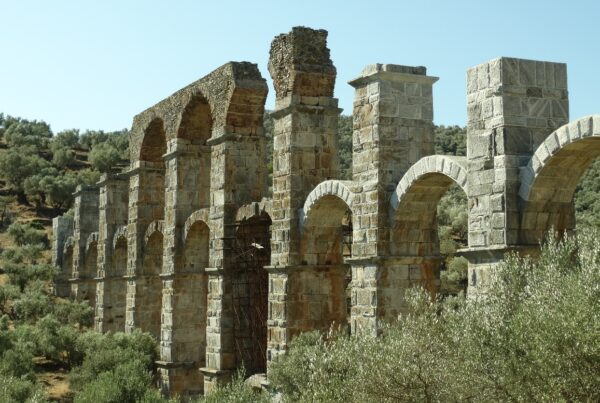
During the Roman Empire, the Roman Aqueduct of Mytilene was constructed, demonstrating the importance of water management and its use for public services. While the aqueduct itself was for fresh water, the Romans were known for their sophisticated bathhouse culture, which likely led to the development of more elaborate bath facilities at the thermal springs. The Roman tradition of public baths influenced the design and function of these sites.
Ottoman Period
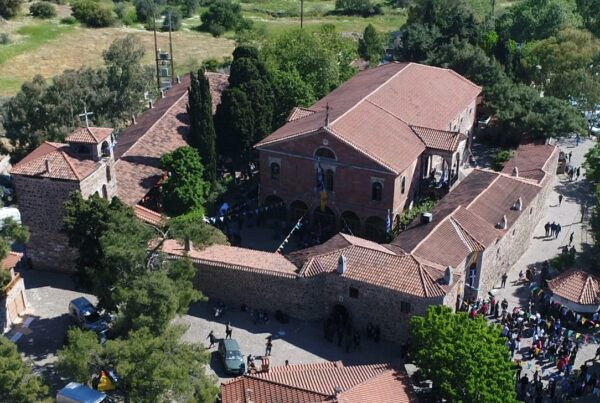
Following the Roman era, the tradition of public bathing continued under Byzantine rule and flourished particularly during the Ottoman period. The Ottoman baths, or hammams, became a central part of social and religious life. These structures, built with domed roofs and distinct architectural styles, were places for purification, relaxation, and community gathering.
A notable example is the Çarşı Hamam in Mytilene, which was likely built in the early 19th century as part of the market district. Its layout, with a progression from cool to warm and hot rooms, reflects the typical Ottoman bathhouse design.
Modern Era
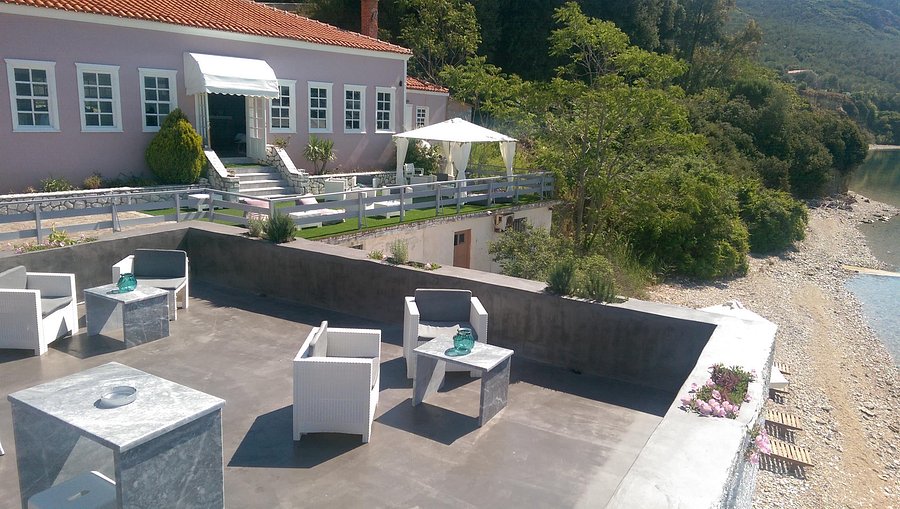
In the late 19th and early 20th centuries, as the island’s wealth grew, some of the thermal springs were developed into more modern, even luxurious, health resorts. The Sarlitza Palace Hotel in Loutropoli Thermis, for example, was built in 1909 and became a popular destination for royalty and famous personalities from all over the world, blending European luxury with the local thermal spring tradition.
Today, many of the historical sites, including the Roman aqueduct and some of the Ottoman bathhouses, are preserved as archaeological and cultural landmarks. However, the tradition of using thermal water for therapeutic purposes continues, with modern spa facilities like Therma Spa in the Gera Gulf, which blend the ancient healing properties of the water with modern wellness treatments. The history of the thermal baths in Mytilene is a continuous story of how the island’s natural resources have been used for health and community throughout different civilizations.